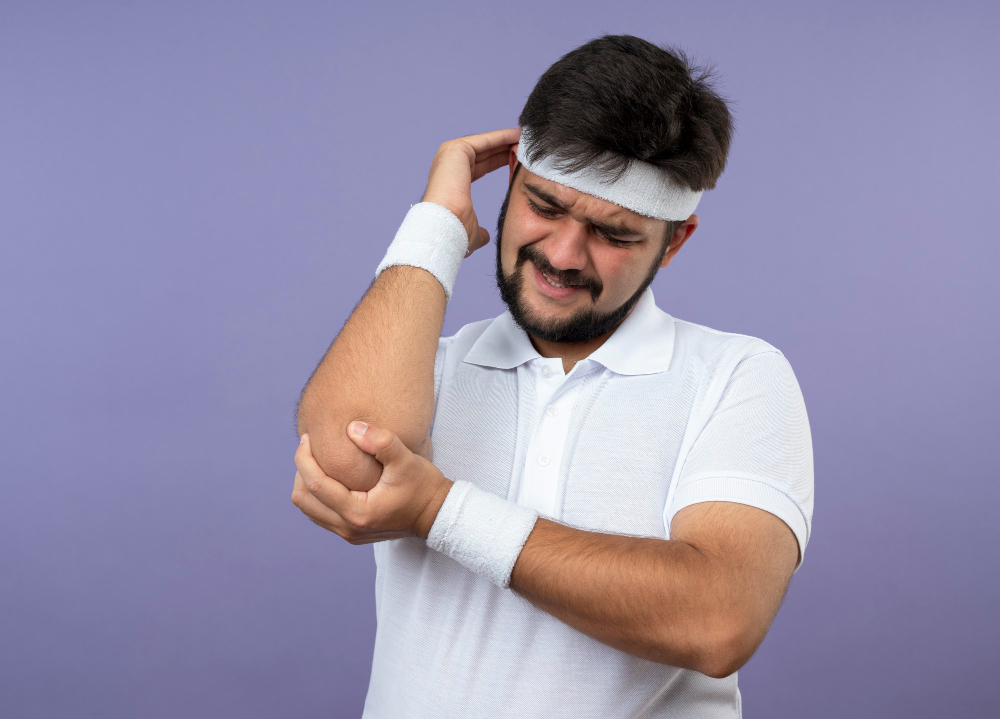
Golfer’s elbow, also called medial epicondylitis, is a common cause of elbow pain. Even though the name suggests it affects only golfers, anyone can get this condition. In fact, it often results from repeated arm movements. Early treatment, such as golfer’s elbow physiotherapy, can help you recover faster and prevent long-term problems.
What is Golfer’s Elbow?
Golfer’s elbow is a type of tendon injury. It affects the tendons on the inside of your elbow. These tendons connect your forearm muscles to the bone. When you use your arm the same way many times, these tendons can become sore and swollen. Unlike tennis elbow, which affects the outside of the elbow, golfer’s elbow causes pain on the inner side. This condition is also known as medial epicondylitis.
Common Causes of Golfer’s Elbow
Many activities can lead to golfer’s elbow. Usually, it happens when you repeat the same arm motion over and over. For example, swinging a golf club is one cause. However, other actions can also lead to this problem.
Because these activities strain the elbow, the tendons can get tiny tears. Over time, this leads to pain and swelling.
Recognizing Symptoms
Early signs of golfer’s elbow are easy to miss. However, knowing what to look for can help you get treatment sooner. Common symptoms include:
Sometimes, the pain spreads down the forearm. If you notice these signs, it is important to rest your arm and seek advice.
How Golfer’s Elbow is Diagnosed
Doctors use a simple process to diagnose golfer’s elbow. First, they ask about your symptoms and daily activities. Next, they check your arm for pain, swelling, and movement problems. Sometimes, they may order an X-ray or ultrasound. These tests help rule out other causes of elbow pain. According to the CDC, most cases can be diagnosed without special tests. However, imaging may be needed if symptoms do not improve.
Effective Physiotherapy Treatments
Physiotherapy is a key part of medial epicondylitis treatment. Early care can speed up healing and reduce pain. A physiotherapist will create a plan just for you. This plan may include:
In some cases, your physiotherapist may use special tools or taping. These help support your elbow during recovery. Rehabilitation for golfer’s elbow can take a few weeks to several months. However, most people see steady improvement with regular care. If you live nearby, you can search for physiotherapy clinics in your city for expert help.
Prevention Tips and Lifestyle Guidance
Preventing golfer’s elbow is possible with a few simple steps. For example, you can:
By following these tips, you can lower your risk of injury. In addition, healthy habits help keep your joints strong and flexible.
When to See a Specialist
Sometimes, home care is not enough. If your pain lasts more than a few weeks, you should see a doctor or physiotherapist. Also, seek help if you notice:
Early treatment can prevent long-term problems. Therefore, do not wait if your symptoms get worse or do not improve.
Consult Dr. Jhons Durgam for personalized treatment and faster recovery from golfer’s elbow.