
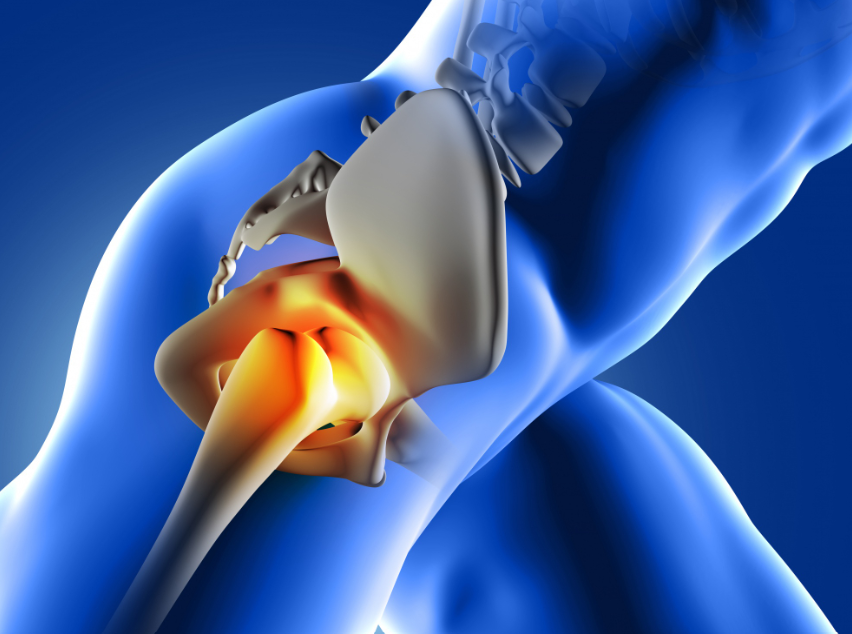
What is Gluteal Tendinopathy?
Gluteal tendinopathy is a common cause of hip pain. It happens when the tendons in your buttock area become sore or damaged. These tendons connect your gluteal muscles to your hip bone. When they get injured, you may feel pain on the outside of your hip. Often, this pain can make walking or sleeping on your side uncomfortable. Because gluteal tendinopathy affects daily life, understanding it is important for pain relief and recovery.
Common Symptoms
Many people with gluteal tendinopathy notice pain on the outside of their hip. However, symptoms can vary. For example, you might feel discomfort when:
Sometimes, the pain can spread down the thigh. But, swelling or redness is rare. If you notice these symptoms, it may be time to seek help.
Causes and Risk Factors
Gluteal tendinopathy often develops from overuse or repeated stress. For instance, activities like running, climbing stairs, or standing for long hours can strain the tendons. In addition, certain factors can increase your risk:
Sometimes, an injury or fall can also trigger tendon pain. Knowing these causes can help you avoid future problems.
How is Gluteal Tendinopathy Diagnosed?
Doctors use several steps to diagnose gluteal tendinopathy. First, they ask about your symptoms and medical history. Next, they perform a physical exam. During this exam, your doctor may press on your hip or ask you to move your leg. Sometimes, imaging tests like ultrasound or MRI are needed. These tests help rule out other causes of hip pain. Early diagnosis can lead to better treatment results.
Effective Treatment Options
Treatment for gluteal tendinopathy focuses on pain relief and healing. Most people improve with simple steps. For example, you may try:
In some cases, your doctor may suggest physical therapy or special exercises. Rarely, injections or surgery are needed. However, most people recover without surgery.
Physiotherapy and Rehabilitation Guidance
Physiotherapy for gluteal tendinopathy is very helpful. A physiotherapist can teach you safe exercises for gluteal tendinopathy. These exercises strengthen your hip muscles and improve movement. For example, you may learn:
Additionally, your therapist may use hands-on techniques or suggest changes in daily habits. Following a rehabilitation plan can speed up your recovery and prevent future tendon injury.
Prevention Tips
To lower your risk of gluteal tendon pain, try these tips:
Moreover, listen to your body. If you feel pain, rest and seek advice early.
When to See a Specialist
Sometimes, home care is not enough. You should see a specialist if:
Early treatment can prevent long-term problems. In many cities, you can find gluteal tendinopathy treatment at local clinics or hospitals.
In summary, gluteal tendinopathy is a treatable cause of hip pain. With the right care, most people recover well. If you have ongoing pain, consult Dr. Jhons Durgam for personalized advice and a safe recovery plan.