
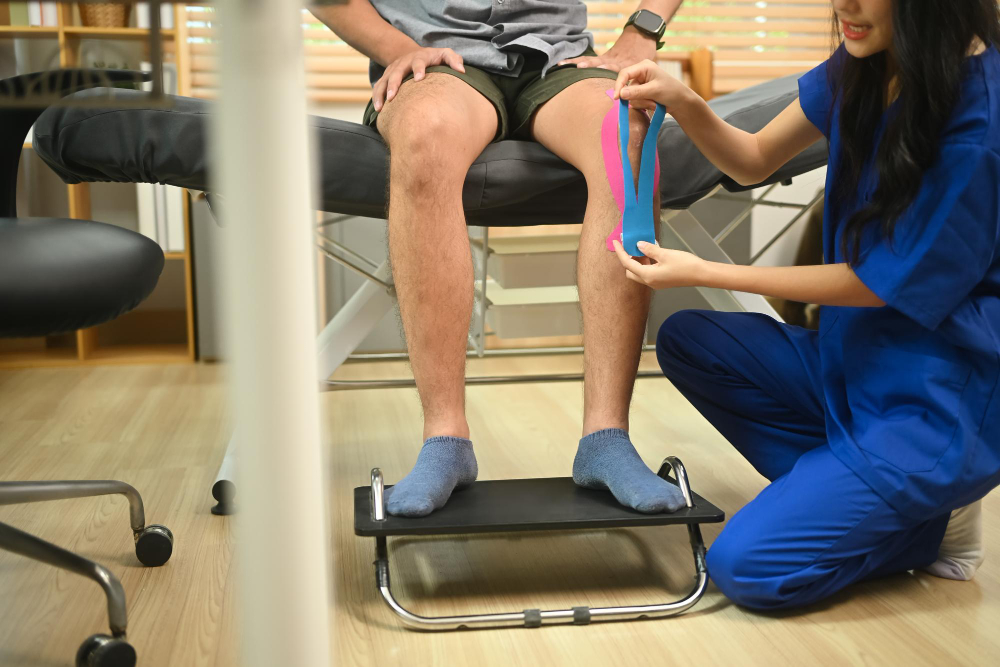
What Is an ACL Injury?
The anterior cruciate ligament, or ACL, is a strong band inside your knee. It helps keep your knee stable when you move. An ACL injury happens when this ligament tears or stretches too much. Often, people hurt their ACL during sports or sudden movements. Because the ACL is important for knee stability, an injury can make walking or running hard. ACL injury rehabilitation helps you recover and return to daily activities or sports safely.
Common Causes and Symptoms of ACL Injuries
Many ACL injuries happen during sports that involve quick stops or changes in direction. For example, soccer, basketball, and football players are at higher risk. However, anyone can injure their ACL from a fall or accident. Common causes include:
After an ACL injury, you may notice some clear symptoms. For instance, you might hear a popping sound at the time of injury. Your knee may swell within a few hours. In addition, you may feel pain or your knee may feel unstable. Often, it becomes hard to walk or put weight on the leg.
Diagnosis of ACL Injuries
Doctors use several steps to diagnose an ACL injury. First, they ask about how the injury happened and your symptoms. Next, they examine your knee to check for swelling, pain, and movement. Sometimes, doctors use special tests to see if the ACL is torn. For a clear view, they may order an MRI scan. This scan shows the soft tissues inside your knee. X-rays can help rule out broken bones. Early diagnosis is important for starting the right ACL injury rehabilitation plan.
Stages of ACL Injury Rehabilitation
ACL recovery timeline varies for each person. However, most people follow similar stages during physiotherapy for ACL rehabilitation. Each stage builds on the last to help you heal safely.
Early Recovery Phase
At first, the goal is to reduce pain and swelling. Resting your knee and using ice packs can help. Some people need crutches to avoid putting weight on the leg. During this phase, gentle exercises keep your knee moving. For example, you may work on straightening and bending your knee. Your physical therapist will guide you through safe movements. This phase often lasts a few weeks.
Strengthening and Mobility Phase
Once swelling goes down, you start building strength. In this stage, you do more exercises to make your knee muscles stronger. For example, you may use resistance bands or light weights. Balance exercises help your knee stay steady. Your therapist may add stretches to improve flexibility. As you get stronger, you can walk more and return to light daily activities. This phase may last several weeks to a few months.
Advanced Rehabilitation and Functional Training
After you regain strength and movement, you begin advanced training. Here, you practice movements needed for sports or work. For example, you might do jumping or running drills. Your therapist will watch your form to prevent injury. This stage prepares you for a safe return to sports after ACL injury. The length of this phase depends on your progress and goals.
Criteria for Safe Return to Activity and Sports
Returning to sports too soon can cause problems. Therefore, doctors and therapists use certain tests to decide if you are ready. Some important criteria include:
Even when you feel ready, it is important to follow your therapist’s advice. They may use special tests to check your knee’s strength and stability. Meeting these criteria helps lower the risk of re-injury.
Tips for Preventing Re-injury During and After Rehabilitation
While you recover, it is important to protect your knee. For example, always warm up before exercise. In addition, use proper techniques when jumping or landing. Your therapist can teach you safe ways to move. Here are some tips to help prevent another ACL injury:
Staying active is important, but taking care during recovery helps you return to your favorite activities safely. For more information,contact Dr. Jhons Durgam