
What is Chondromalacia Patella?
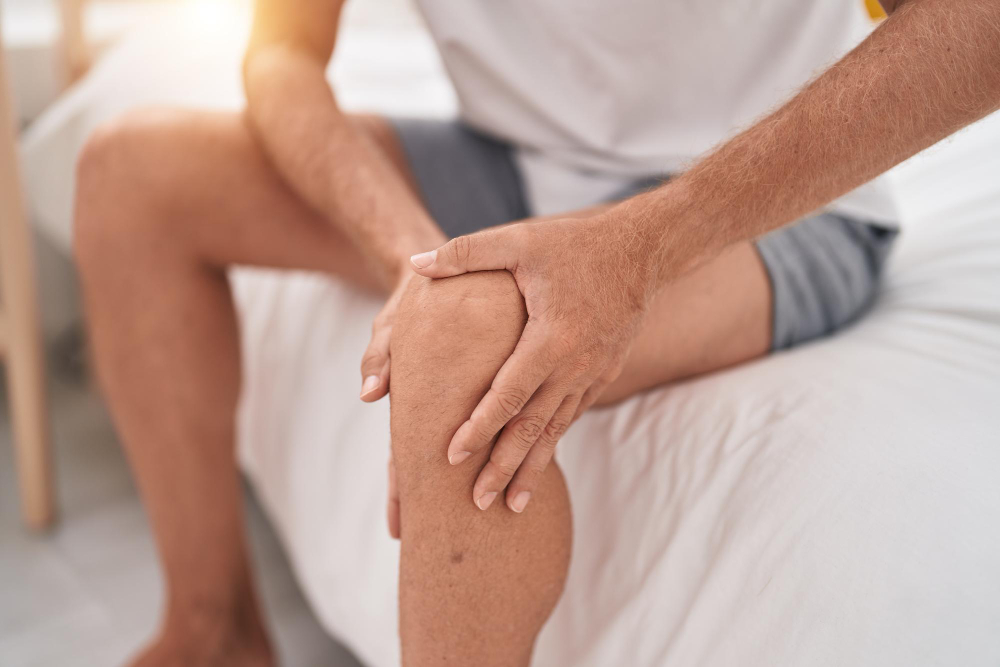
Chondromalacia patella is a common cause of knee pain. It happens when the cartilage under your kneecap softens or wears down. Because of this, the knee may hurt when you move or bend it. Many people also call this condition patellofemoral pain syndrome. Although it can affect anyone, it is more common in young adults and athletes.
Common Symptoms
Often, people with chondromalacia patella notice pain in the front of the knee. For example, the pain may get worse when you climb stairs, squat, or sit for a long time. Other symptoms can include:
However, not everyone will have all these symptoms. If you notice knee pain that does not go away, it is important to seek help.
Main Causes and Risk Factors
Chondromalacia patella can develop for several reasons. Most often, it is due to overuse or injury. For instance, repeated stress from running or jumping can damage the cartilage. Other causes and risk factors include:
Additionally, women are more likely to develop this condition, possibly due to wider hips and different knee alignment.
Diagnosis Methods
Doctors use several ways to diagnose chondromalacia patella. First, they will ask about your symptoms and check your knee. They may move your leg to see where it hurts. Sometimes, they will order tests to rule out other knee pain causes. These tests can include:
With these tools, your doctor can find the best treatment for you.
Treatment Options
Treatment for chondromalacia patella often starts with simple steps. For many people, rest and avoiding painful activities help. However, some may need more care. Common treatment options include:
In rare cases, surgery may be needed if other treatments do not work. But most people improve with non-surgical care.
Lifestyle and Self-Care Tips
There are many ways to manage chondromalacia patella at home. For example, you can:
Moreover, following your physiotherapist’s advice can speed up recovery.
Prevention Strategies
Although not all cases can be prevented, you can lower your risk. Here are some helpful prevention tips:
By taking these steps, you can help protect your knees from injury.
Conclusion
Chondromalacia patella is a treatable cause of knee pain. Early care and the right exercises can make a big difference. If you have ongoing knee pain, do not wait. Consult a physiotherapist Dr. Jhons Durgam for personalized advice on chondromalacia patella.